
Food Safety Culture: Transitioning from Abstract Concepts to Audit-Ready Habits for SQF Edition 10
Following our webinar with Kellerman Consulting, this guide outlines practical frameworks to turn evolving certification standards into daily facility habits. Access the original recording here.

The transition to SQF Edition 10 signals a fundamental paradigm shift in how food safety culture is actioned and evaluated. No longer treated as a subjective feeling or an abstract corporate concept, food safety culture has been elevated to a highly structured, documented, and measurable plan that requires site-wide accountability. Under the new code, static or superficial approaches, such as relying solely on a single annual employee survey or handing out occasional gift cards, will no longer suffice to pass an audit.
To prepare for compliance, facility leaders must operationalize food safety culture into daily operational habits and establish a verifiable, data-driven framework of continuous improvement.
1. Requirements: How SQF Auditors Will Evaluate Leadership Commitment
A core mandate of SQF Edition 10 is the vertical expansion of responsibility across the organization, demanding true, observable site leadership commitment. Historically, senior site management could remain relatively detached from day-to-day compliance, delegating the execution and signature of the food safety policy entirely to the FSQA team.
Edition 10 strictly alters this dynamic by requiring the food safety policy to be actively reviewed and signed by senior site management, meaning the general managers, plant managers, or owners who control finances and dictate business strategy.
-
Active vs. Passive InvolvementAuditors are trained to look past a simple signature on a document. Genuine commitment requires site leaders to leave their desks, participate in facility walk-throughs, actively engage with operators and managers to guide continuous improvements. This should be done multiple times weekly to establish clear, consistent, site-wide accountability, well before auditors arrive.
-
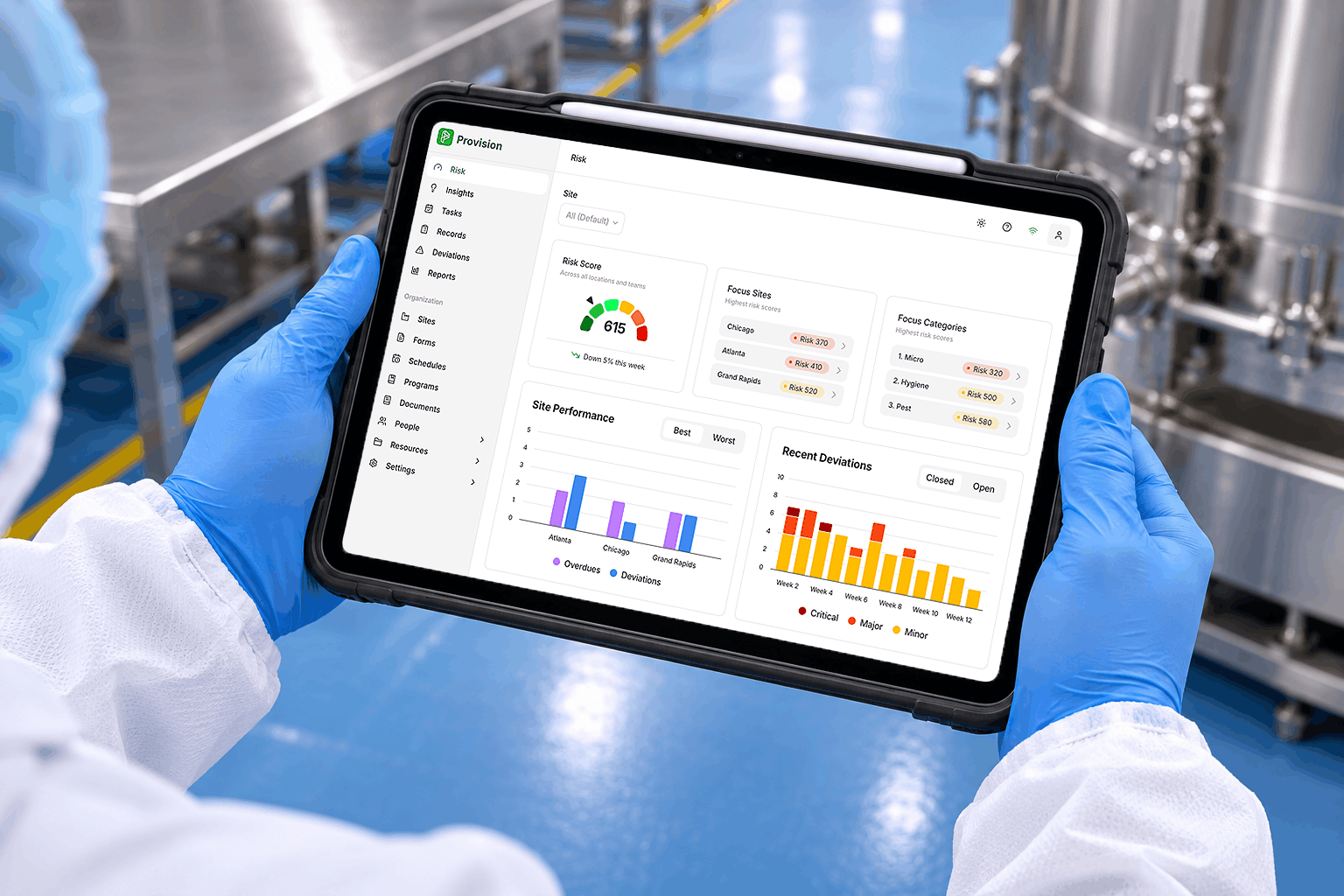
Assessing Checkbox CultureWhen leadership treats food safety as merely an annual compliance checkbox or openly expresses frustration with the code, that attitude rapidly diffuses to the workforce. Moving past this requires deep, objective performance feedback and consistent management decisions. Instead of waiting for a yearly review, leadership needs a continuous feedback loop. Benchmark facilities, teams, and categories of risk in real-time, ensuring that food safety strategy evolves dynamically alongside frontline results.
-
The Interview ShiftUnder Edition 10, auditors are instructed to alter their methodology, prioritizing direct, unscripted interviews with plant-floor personnel. If an auditor asks a frontline worker when they last spoke with senior leadership about food safety, the response must reflect an ongoing, active dialogue.

2. Assessment: Planning for Continuous Improvement
Building an audit-ready food safety culture assessment plan requires transitioning from isolated events to a scheduled, year-round calendar of interconnected actions.
While employee surveys remain a valid component of an assessment plan, over-indexing on them leads to employee survey burnout, particularly if the workforce feels that their feedback does not result in tangible changes. A resilient culture plan balances multiple engagement strategies. Targeted activities run in the first half of the year should lead into a defined window for surveys and process iterations, concluding the year with a comprehensive scorecard review and internal audit alignment.
To demonstrate a strong system to an SQF auditor, facilities should implement a structured cadence.
-
Engagement ActivitiesSchedule tasks for training, workshops, reporting reviews, and cultural events evenly across the quarters rather than as a single, rushed event right before an audit.
-
Evidence RetentionEvery initiative must be documented through tasks and clear records with photos and time stamps embedded to serve as concrete, unalterable evidence of execution throughout the year.
-
Objective ScorecardsFacilities should utilize structured scoring to assign values to activities and outcomes. This enables teams to present an objective measurement of facility results and culture progression during management reviews and internal audits.
3. Communication: Closing Comprehension Gaps
Verbal and informal communication cannot be effectively validated during an audit. If a plant manager claims they speak about culture every morning on the floor, but no record exists, an auditor cannot award credit for the effort. Edition 10 highlights communication as a primary clause, meaning facilities must formalize how information is disseminated, recorded, and optimized to close frontline comprehension gaps.
-
Track & Reward ExecutionUtilize proactive reminders, track overdues, and reward consistency in task completion. Documenting that schedules are respected proves to auditors that operational timeliness and SOP execution genuinely matter to the organization.
-
Shift to Continuous GuidanceModern operations recognize that frontline staff are overwhelmed by initial onboarding sessions tied to dozens of dense SOPs. SQF facilities are shifting to continuous reinforcement by delivering clear work instructions during live activities. Enabling translation in this guidance further eliminates comprehension gaps among a diverse, multilingual workforce.
-
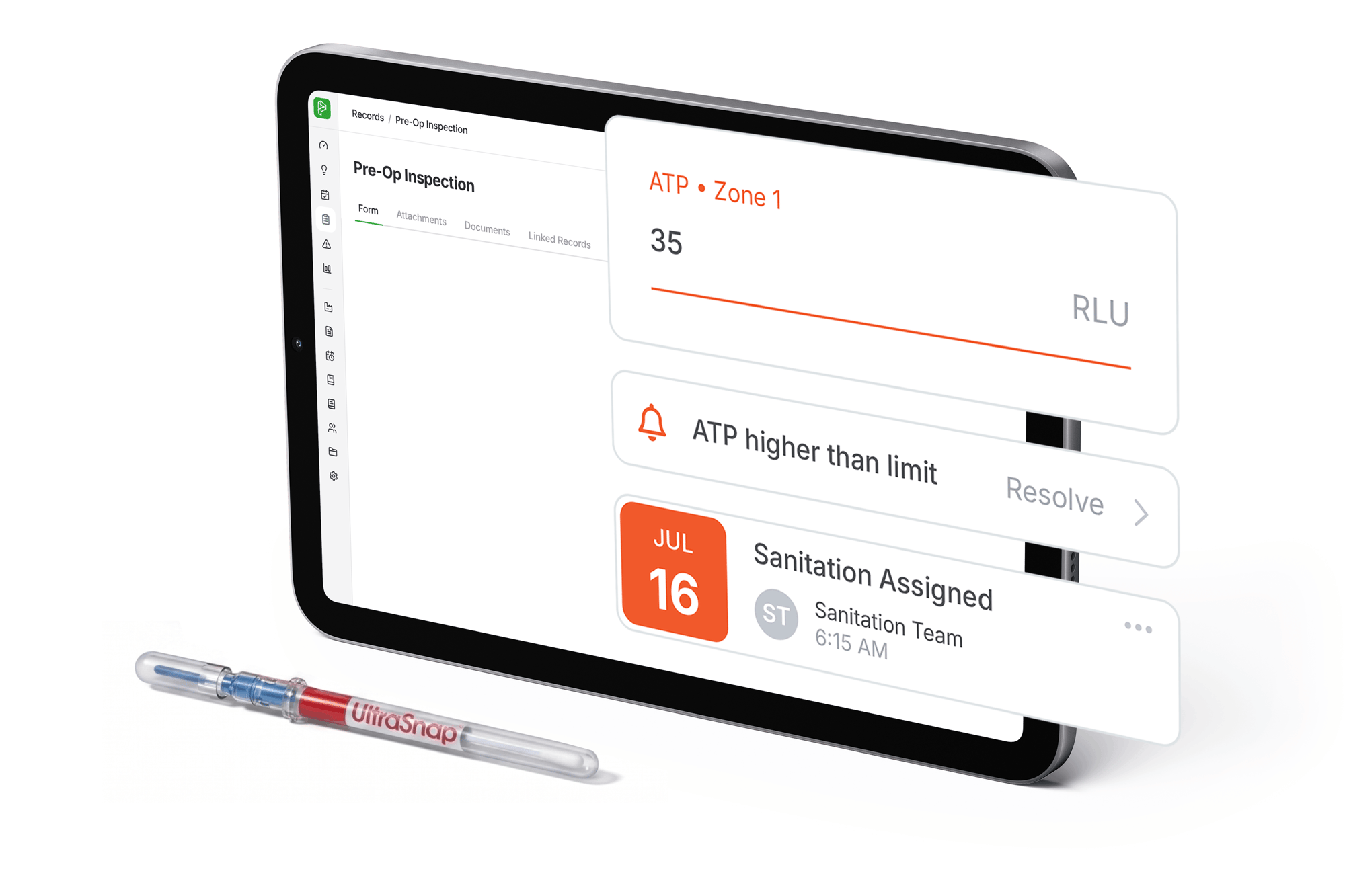
Assist & Reward DetectionTeams struggle to memorize the hundreds of complex specifications, rules, and critical limits they must monitor. By embedding rules into form templates, SQF facilities can shift to real-time detection, helping any individual across hierarchies and teams to flag and escalate findings. Operations should reward employees who catch many small defects early, preventing major incidents later.
4. Recognition: Aligning Frontline Feedback with Continuous Metrics
A defining trait of a mature, positive food safety culture is how an operation responds to operational failures. Facilities that present perfectly clean, blank non-conformance logs or claim to have zero customer complaints signal a major red flag to auditors. No facility is flawless; a blank log indicates a culture of fear, concealment, or inadequate monitoring.
By linking measurable, trended improvements directly to team celebrations, SQF facilities can move away from superficial rewards and establish a culture where every operator understands that their individual performance directly impacts the site's success.
-
Foster Problem SolvingPositive culture thrives when the workforce is empowered to flag defects without fear of punishment. Operations must actively track, categorize, and trend non-conformances of all severities and types, treating them as opportunities for collective problem-solving rather than individual blame.
-
Close the Loop on PerformanceMost operators today do not know their personal impact. When FSQA results are hidden in periodic audit results and lagging reports, it dampens buy-in. Leaders must close this loop by making facility performance visible. Put live, intuitive, visual reports on the plant floor, allowing teams to see progress against stated goals and known KPIs, driving active buy-in for continuous improvement.
-
Tie Recognition to ResultsEdition 10 explicitly mandates rewarding positive behaviors rather than merely penalizing errors. To keep programs from feeling random or subjective, facilities should tie rewards directly to operational objectives and results. For example, when sanitation teams optimize cycle times or departments lower their GMP walkthrough defect rates, operations should celebrate the achievement with team incentives or performance bonuses.
Conclusion: The Path Forward Under Edition 10
Achieving compliance under SQF Edition 10 requires a departure from traditional management. By treating culture as an operational system rather than an abstract ideal, facilities can bridge the gap between executive strategy and floor-level execution.
Success relies on empowering leadership with a clear risk narrative, arming the frontline with contextual, real-time guidance, and closing the feedback loop with transparent results and consistent communication.
Ultimately, operations that successfully embed these frameworks will not only pass their next SQF audit, but will build a more resilient, efficient, and quality-driven business.
